
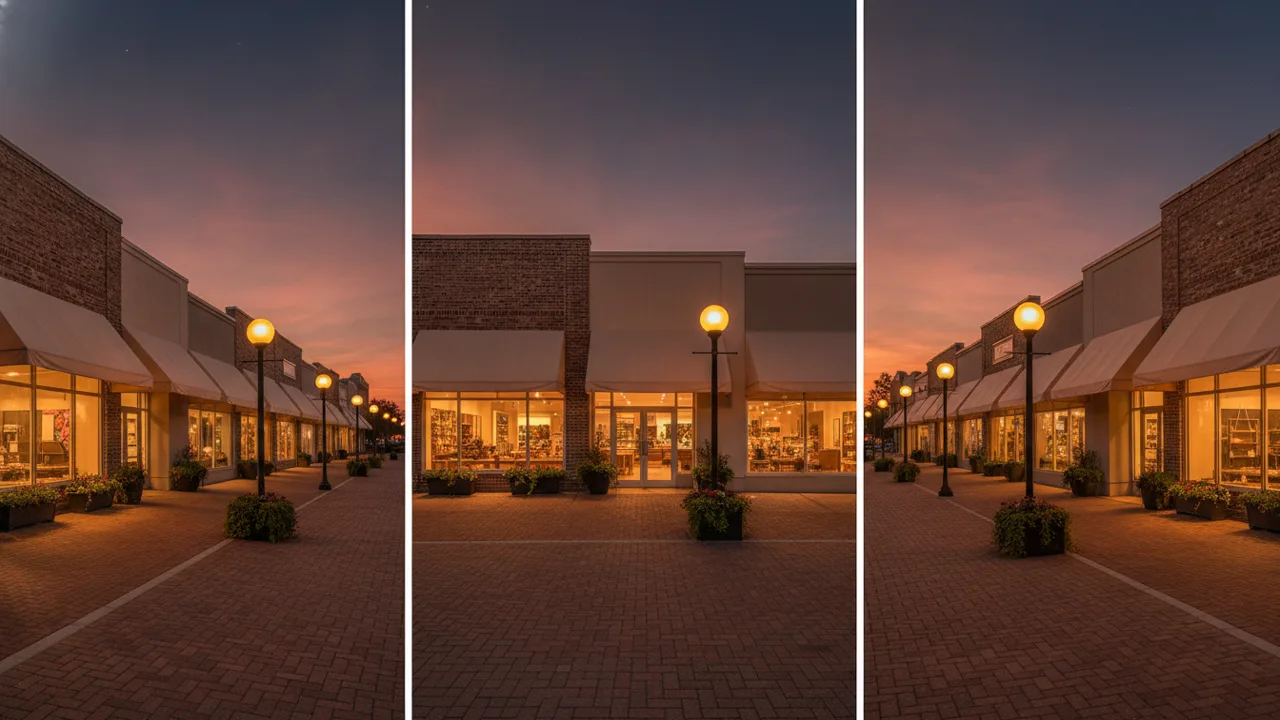
Commercial Retail Loans
Retail financing splits into several sub-types, each with its own underwriting profile: strip centers, neighborhood shopping centers, single-tenant NNN, urban street retail, and anchored centers. The common thread — retail cash flow comes from tenants on leases, and lender confidence scales with tenant credit and lease length.
Credit tenant single-tenant NNN deals (national brand on a 15–20 year lease) are among the most conservatively priced commercial loans available. Multi-tenant strip centers are priced somewhere between multi-family and office. Special-purpose retail (restaurants, bars, specialty) gets more scrutiny.
Check Retail Loan Eligibility Talk to a Retail Specialist — (833) 350-9185Quick answer: Retail loans finance strip centers, neighborhood shopping centers, single-tenant NNN, urban street retail, and anchored centers. Underwriting scales with tenant credit and lease length, since retail cash flow comes from tenants on leases. Available nationwide.
Program Highlights
| Feature | Typical Range |
|---|---|
| Loan amounts | $500,000 – $10,000,000+ |
| LTV | 60–70% (up to 75% on credit tenant NNN) |
| DSCR minimum | 1.25 (multi-tenant); 1.20 (credit tenant NNN) |
| Amortization | 25 years |
| Term | 5, 7, 10-year balloon |
| Minimum occupancy | 85% stabilized |
| Weighted average lease term (WALT) | 3+ years preferred |
| Recourse | Recourse under $2M; non-recourse options above |
Retail Sub-Types
Single-Tenant Net Lease (NNN)
One tenant, one lease, typically 15–25 year term with periodic bumps. Credit-tenant NNN (Walgreens, Starbucks, CVS, Dollar General, auto parts chains) is often treated more like a corporate bond than a real estate deal — rates track tenant credit. Sub-credit NNN (regional chains, local credit) prices between NNN and multi-tenant.
Strip Centers / Neighborhood Shopping Centers
3–20 tenants, mix of national and local credit. Underwriting weighs tenant mix, lease staggering (no cliff of lease expirations), and submarket fundamentals. Grocery-anchored centers trade at tighter cap rates than unanchored.
Urban Street Retail
Typically ground-floor retail in walkable neighborhoods, often paired with residential above (see mixed-use ). Foot traffic and submarket quality drive value.
Anchored Shopping Centers
Larger format with a national anchor (grocery, big-box). Tier above strip centers for institutional buyers. Loan amounts typically $5M+.
Who Buys Retail
- NNN investors holding for long-term stable cash flow with minimal management
- 1031 exchange buyers trading out of management-intensive assets into passive NNN
- Family offices with retail allocation strategies
- Value-add retail investors buying below-market-rent strip centers to re-lease
- Syndicators and funds with retail-focused strategies
Sample Scenario: Grocery-Anchored Strip Center
12-Tenant Strip Center, Outparcel of Publix, Raleigh NC
- Property: 25,000 SF multi-tenant strip, 95% occupied, anchored by local grocery (not Publix itself — on an outparcel of Publix-anchored center)
- Purchase price: $4,500,000
- Down payment: $1,350,000 (30%)
- Loan amount: $3,150,000
- Tenant mix: nail salon, dry cleaner, pizza, cell phone, local coffee, chiropractor, veterinary, tax prep, 3 others
- Gross rents: $385,000/yr NNN
- NOI: $340,000 (small vacancy reserve + landlord insurance)
- Debt service (25-yr): $260,000/yr
- DSCR: $340,000 ÷ $260,000 = 1.31
- Result: Approved. Strong WALT (4.2 years avg), grocery co-tenancy boosts traffic.
What Lenders Look For
- Tenant credit — national investment-grade > national credit > regional chains > local credit > month-to-month
- WALT — weighted average lease term across tenants; 3+ years preferred
- Lease expiration stagger — no more than 30% of rent expiring in any single year
- Sales data (if available) — for retail with percentage rent clauses
- Submarket vacancy — co-tenancy matters
- Capital expenditure history — deferred maintenance raises flags
- Historical occupancy — 12-24 months of rent roll trends
Frequently Asked Questions
Related Commercial Products
- Commercial Loans Hub — Full overview
- Multi-Family Loans — 5+ unit apartment buildings
- Mixed-Use Loans — Retail + residential combined
- Office Loans — Office buildings and medical office
- Industrial Loans — Warehouse and flex space
- Self-Storage Loans — Passive cash flow alternative to retail
1st Nationwide Mortgage, NMLS 1281. Commercial retail loans subject to property, tenant, and sponsor underwriting. NNN, multi-tenant, and special-purpose retail have different program requirements. Not all applicants or properties will qualify.
Ready to Get Started?
Talk to a licensed loan officer about your options — no obligation.