
Georgia Investment Property Loans
Georgia investment-property loans — business-purpose DSCR and non-owner bank statement. Metro yields, eviction timelines, deposits. NMLS #1281.

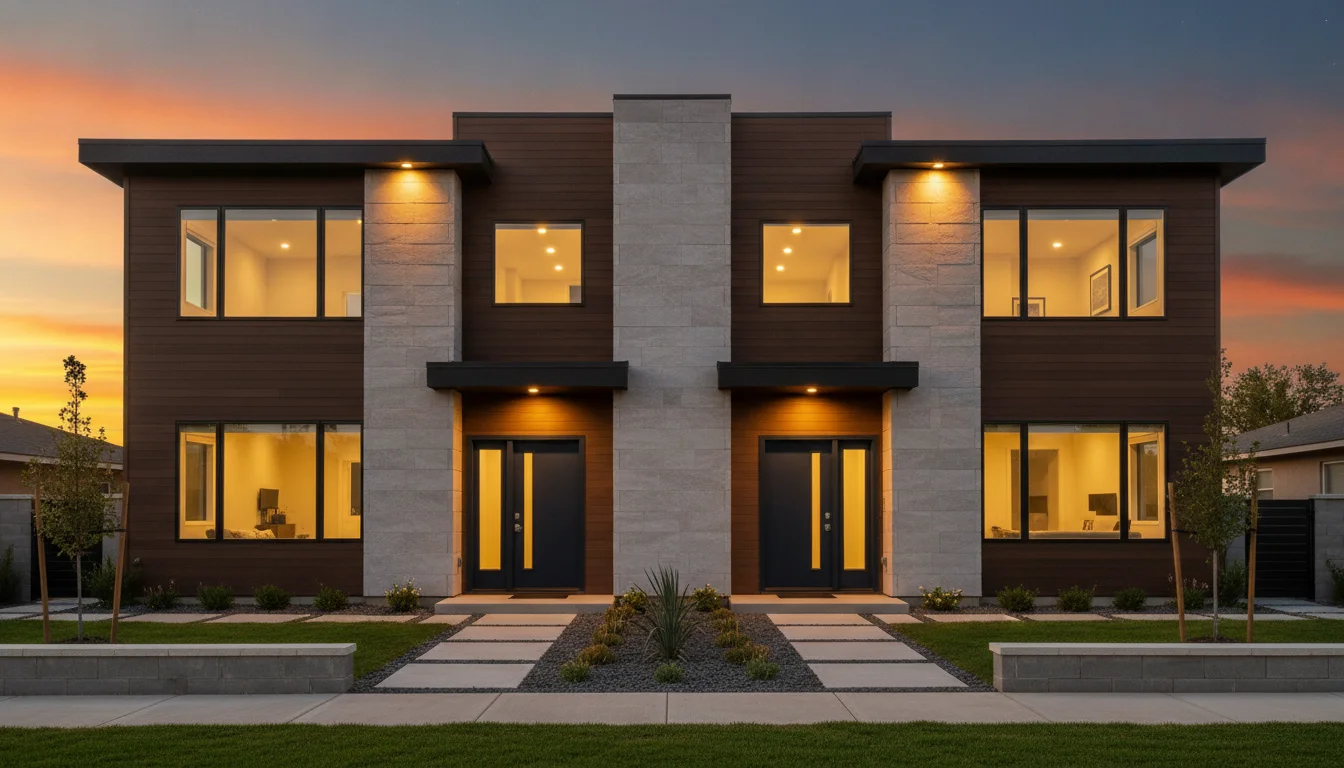
Georgia is a business-purpose lending state for us. We finance non-owner-occupied investment property here through DSCR, non-owner bank statement, NONI, bridge, and commercial programs.
Owner-occupied and consumer mortgage products (FHA, VA, USDA, conventional, jumbo, reverse) are not offered in Georgia.
Georgia is not Atlanta
The most common underwriting mistake on Georgia files is treating the state as one market with Atlanta as its proxy. The yield is not in Atlanta right now.
Illustrative 2026 figures:
| Market | Typical rent | Cap rate / yield | What’s driving it |
|---|---|---|---|
| Augusta | ~$1,500 | 7%–8% | Fort Eisenhower and the ARCYBER/NSA workforce; roughly 20% YoY rent growth |
| Columbus | ~$1,200 (2BR) | 7%–8% | Fort Moore, ~35,000 soldiers plus airborne school throughput |
| Savannah | ~$2,000 | 6%+ | Port and industrial expansion |
| Athens | ~$1,350 (2BR) | — | Student-anchored, 2%–4% annual rent growth |
| Gainesville | ~$1,400 (2BR) | — | Secondary-market normalization |
| Macon / Warner Robins | ~$1,050 / ~$1,150 | — | Robins AFB anchors Warner Robins |
| Atlanta metro | — | — | Median rent down about 2.5% YoY; 10%–12% vacancy in Midtown and Buckhead |
Statewide median home value runs near $329,000 against a national figure closer to $420,000. Figures are illustrative market observations, not quotes.
Statewide projections through 2027 run 3%–5% annual rent growth and 2%–4% price appreciation, with vacancy in secondary markets expected to normalize below 5% by late 2026.
The practical read: a Buckhead condo at 10%–12% vacancy and softening rent is a harder DSCR file today than an Augusta duplex, even though the Atlanta address feels safer. Run the ratio before you assume.
For current observed pricing across credit tiers, see the non-QM rate index , updated weekly.
The underwriting advantage nobody prices in
Georgia’s eviction timeline is among the fastest in the country, and it changes what a realistic vacancy assumption looks like.
Under the dispossessory process (O.C.G.A. § 44-7-50), there is no mandatory pay-or-quit notice before filing. A landlord can file the day after rent is due and unpaid — the filing itself is the demand. That is materially different from Florida’s 3-day, North Carolina’s 10-day, or New York’s 14-day demand requirements.
The rest of the timeline compounds it:
- Service in 2–5 days, with tack-and-mail permitted if personal service fails
- 7-day tenant answer window, short compared to the 10–14 days typical elsewhere
- Default judgment 1–2 days after the answer deadline, no hearing required
- 7-day appeal period, the shortest in the nation, with an appeal bond of roughly three months’ rent
Uncontested nonpayment runs about 14–21 days from filing to writ. Contested files land near 21 days.
Two more structural points in the landlord’s favor: Georgia preempted local rent control statewide in 1984 under O.C.G.A. § 44-7-19, so no county or municipality can cap increases; and Georgia grants tenants no statutory repair-and-deduct right, unlike 35-plus states.
None of that changes your rate. It changes what vacancy factor is honest in your pro forma, and a defensible lower assumption is worth real basis points of DSCR.
The trap on the other side of the ledger
Georgia has what is arguably the most punitive security deposit penalty in American landlord-tenant law, and out-of-state investors walk into it constantly.
O.C.G.A. § 44-7-35 imposes treble damages for wrongfully withheld deposits — three times the withheld amount, plus attorney fees and court costs. Liability is strict. There is no bad-faith requirement. A $5,000 deposit withheld improperly becomes $15,000 plus fees, and missing the deadline by a few days or itemizing inadequately is enough to trigger it.
The compliance chain that prevents it:
- Before accepting any deposit, deliver a written move-in damage checklist (§ 44-7-33). Tenants have three days to object in writing. Skip this step and you forfeit the right to withhold for damage entirely — there is no cure.
- Hold deposits properly (§ 44-7-31) in a separate escrow account at a federally insured institution, or post a surety bond with the Superior Court clerk. Commingling is prohibited.
- Return within 30 days (§ 44-7-34) with a written itemization, measured from the later of vacancy or return of all keys. Georgia offers no two-stage accounting — the return and the itemization both happen inside that single window.
Georgia sets no maximum deposit amount, which sounds landlord-friendly and quietly enlarges the exposure. A larger deposit is a larger treble-damages number.
Military markets need a different turnover assumption
Three of Georgia’s strongest yield markets are military towns, and that cuts both ways.
| Installation | Market | Scale |
|---|---|---|
| Fort Moore | Columbus | ~35,000 soldiers, ~70,000 airborne students annually |
| Fort Eisenhower | Augusta | ~33,000, including the NSA and ARCYBER cyber workforce |
| Robins AFB | Warner Robins | ~26,000 military, civilian and contractor |
| Hunter Army Airfield | Savannah | ~5,000, complements port demand |
Under the Servicemembers Civil Relief Act (50 U.S.C. § 3955), an active-duty tenant can terminate a residential lease with 30 days’ written notice plus valid PCS or 90-plus day deployment orders. No early-termination fee, no credit reporting, no remaining rent liability. You must accept it.
In Columbus and Augusta, 15%–25% annual turnover from SCRA terminations is normal, not an anomaly. If your pro forma assumes a stable 12-month tenancy in those markets, the DSCR you underwrote is optimistic. Model the turnover and the file gets more honest — and more likely to perform the way underwriting expects.
Verify status through the free DoD portal at dmdc.osd.mil/appj/scra before enforcing
any early-termination fee. Getting that wrong is federal court exposure.
Augusta’s cyber workforce is worth noting separately: 2–3 year assignments and a highly educated renter profile make it a steadier tenancy than the infantry-heavy Columbus market at a similar cap rate.
Georgia-specific lending mechanics
Prepayment structures are not available everywhere. Availability and terms vary by state, by loan amount, and by whether the borrower takes title personally or through an entity. We confirm the structure for your state and vesting before quoting.
Second-lien structures are available on Georgia files, so CLTV approaches remain on the table where the down payment is the binding constraint.
Georgia is not an attorney-closing state for our purposes, so you won’t face the 24-hour document approval window that Tennessee, Texas, Kentucky, South Carolina and Ohio impose.
LLC vesting is standard on DSCR files. Bring the operating agreement, EIN and formation documents to closing.
Programs available in Georgia
- DSCR Loans — qualified on the property’s rental income, not your personal income. No limit on financed properties.
- Non-owner bank statement loans — 12 or 24 months of deposits for self-employed investors.
- NONI / Foreign National Loans — for borrowers with no documentable U.S. income.
- Hard Money Loans — Short-term, asset-based financing for fix-and-flip, lot acquisition, and value-add deals. Available in all 50 states.
- Rehab Loans — Purchase and renovation financing in one loan. Fix-and-flip, BRRRR, and value-add projects.
- Bridge Loans — Short-term financing between an acquisition and permanent loan, or while a property is stabilizing.
- Commercial Real Estate Loans
Georgia investor FAQ
Does Georgia’s fast eviction process actually affect my loan terms? Not your rate directly. It affects the vacancy assumption you can defend in your pro forma, and that flows through to DSCR. A 14–21 day turnaround on nonpayment is a real difference from markets where the same process takes 60–90 days.
Which Georgia market has the best DSCR math right now? Augusta and Columbus are carrying 7%–8% cap rates against roughly $1,200–$1,500 rents, which pencils more easily than Atlanta metro at current pricing. Weigh that against SCRA turnover in both.
Can I finance an Atlanta condo with a DSCR loan? Yes, though Midtown and Buckhead vacancy at 10%–12% with rents down about 2.5% year over year means the ratio needs a closer look. Interest-only structure or a larger down payment often bridges it.
Do I need a Georgia LLC? Not required, but standard practice and generally recommended on DSCR files.
Do you lend on Georgia owner-occupied purchases? No. Georgia is business-purpose only for us — investment and non-owner-occupied property financing. We do not offer FHA, VA, USDA, conventional, jumbo, or reverse mortgages in Georgia.
Ready to run a specific Georgia property? Check DSCR eligibility or call (833) 350-9185 .
For illustration only. Not a commitment to lend. Rates and terms subject to change and qualification. Market figures are illustrative observations and not guarantees of performance. Statutory summaries are general information, not legal advice — consult Georgia counsel on landlord-tenant compliance. 1st Nationwide Mortgage Corporation, NMLS #1281. Equal Housing Lender.
Atlanta DSCR Loans for Real Estate Investors
DSCR loans in Atlanta qualify investors on rental income — no tax returns, no W-2s. Purchase or cash-out refinance metro Atlanta rentals. NMLS #1281.
Georgia Bank Statement Loans (No Tax Returns) | Self-Employed Mortgage
Georgia bank statement loans let self-employed borrowers qualify using 12 or 24 months of bank deposits instead of tax returns.
Georgia Bridge Loans for Real Estate Investors
Bridge loans for Georgia real estate investors — short-term financing between a purchase and permanent loan, or while a property is stabilized or sold. Fast close, all 50 states.
Georgia DSCR Loans — Atlanta Rental Property Financing
DSCR loans in Georgia let investors qualify on rental income — no tax returns or pay stubs. Purchase or refinance investment properties statewide.
Georgia Hard Money Loans
Hard money loans for Georgia real estate investors and developers. Asset-based purchase and fix-and-flip financing with fast close. Business-purpose lending, available in all 50 states.
Georgia Rehab Loans for Real Estate Investors
Rehab loans for Georgia investors — purchase and renovation financing in one loan. Fix-and-flip, BRRRR, and value-add projects. Business-purpose lending, all 50 states.
Ready to Get Started?
Talk to a licensed loan officer about your options — no obligation.