
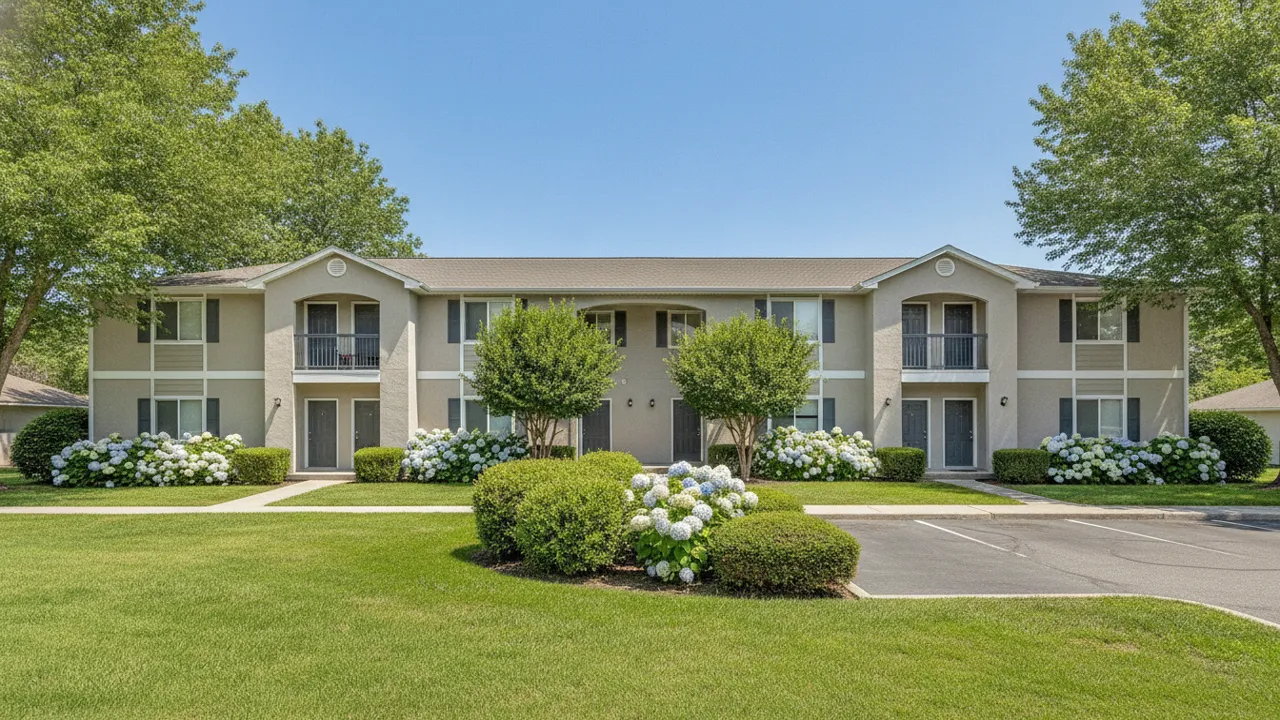
A DSCR loan is defined as a mortgage where the property’s rental income, not your personal income, determines whether you qualify. Lenders measure this through the Debt Service Coverage Ratio, which compares gross rental income to total monthly mortgage costs. Most lenders require a minimum DSCR between 1.0 and 1.25, meaning the property must generate at least as much rent as it costs to carry. Understanding the full set of DSCR loan qualification requirements before you apply saves time, protects your credit, and helps you choose the right property and loan structure from the start.
1. Essential DSCR loan qualification criteria
DSCR loans qualify you based on the property’s income, not your tax returns or W-2s. That single distinction makes them the preferred tool for self-employed investors and portfolio landlords who face roadblocks with conventional financing due to write-offs or the number of properties they already own.
Here are the core criteria most lenders apply:
- DSCR ratio: The standard minimum is 1.20, meaning rent covers 120% of mortgage costs. Some lenders accept ratios as low as 1.0, but expect stricter terms.
- Credit score: 640 is the floor, but rates improve meaningfully above 680. Most investors see the best deal economics starting at 700 or higher.
- Down payment: Expect a minimum of 20% for strong files. Weaker credit or a lower DSCR ratio typically pushes this to 25–30%.
- Loan amount: Most DSCR programs have a minimum loan amount, often around $100,000, and maximum amounts that vary by lender and property type.
- Property type: Single-family homes, 2–4 unit properties, condos, and short-term rentals generally qualify. Mixed-use and 9+ unit buildings typically do not.
- Personal income documentation: Not required. DSCR loans do not require tax returns, W-2s, or employment verification. The property carries the qualification.
Pro Tip: Run your DSCR calculation before you make an offer on a property. A ratio that looks strong at the asking price can fall below 1.0 after accounting for actual taxes and insurance.
2. How lenders calculate DSCR for a rental property
The DSCR formula is straightforward: divide gross rental income by total monthly debt service. The complexity is in what counts as debt service.
Lenders use PITIA, which stands for principal, interest, taxes, insurance, and association fees. This is the full monthly cost of owning the property, not just the loan payment. Using only principal and interest overestimates DSCR by 20–40%, which is one of the most common mistakes investors make when running numbers before applying.
The three accepted rental income sources
- Signed lease agreement: The most straightforward method. The lender uses the current lease rate as gross income.
- Appraiser’s market rent schedule (Form 1007): Used when the property is vacant or the lease is below market. An appraiser estimates what the property would rent for in the current market.
- Short-term rental income: Accepted when properly documented through platform statements or validated third-party projections. Services like AirDNA provide market analyses that some lenders accept for new short-term rental properties.
Why accurate tax figures matter
Property tax reassessment at sale is a real risk. States like Florida, California, and Texas reassess property taxes at the time of sale, sometimes significantly. If you base your DSCR on the seller’s current tax bill, your calculation may be materially wrong. Always use the estimated post-sale tax figure when modeling your deal.
| Income Source | Documentation Required | Best Used When |
|---|---|---|
| Signed lease | Current executed lease | Property is tenant-occupied |
| Market rent schedule | Appraiser Form 1007 | Property is vacant or lease is below market |
| Short-term rental history | Platform statements or AirDNA | STR property with income history |
Pro Tip: Ask your lender to run the DSCR using the actual tax and insurance quotes, not estimates. A $200 monthly difference in taxes can drop a 1.25 DSCR to 1.08, which changes your loan terms entirely.
3. How credit scores affect your DSCR loan terms
Credit score is the second biggest variable in DSCR loan pricing, right after the ratio itself. A 640 score gets you in the door, but the economics of the loan look very different at 680 versus 740.
- 640–679: Minimum eligibility. Expect higher rates, larger down payment requirements, and stricter reserve demands.
- 680–719: Rates improve noticeably. This is the practical floor for investors who want competitive terms.
- 720 and above: Best available pricing. Down payment requirements often stay at 20%, and reserve requirements are more flexible.
A 0.50% rate increase from a lower credit score can add tens of thousands of dollars in interest over the life of a loan. That cost is invisible at closing but very real over a 30-year hold. Investors who treat credit improvement as part of their acquisition strategy consistently get better deal economics than those who apply with whatever score they have.
A higher credit score reduces interest rates enough to meaningfully affect the profitability of a rental property investment. If your score is below 680, spending 60–90 days paying down revolving balances before applying can shift you into a better pricing tier. Use the DSCR loan calculator at 1st Nationwide Mortgage to model how a rate change affects your monthly cash flow.
4. Documentation and reserves required for approval
DSCR loans cut the paperwork significantly compared to conventional mortgages. You will not submit tax returns, W-2s, pay stubs, or employer verification letters. The file is built around the property, not you.
What you do need to provide:
- Property appraisal with a rental income schedule (Form 1007 for single-family)
- Bank statements showing post-closing reserves
- LLC or entity documents if taking title in a business name
- Insurance quote for the subject property
- Executed lease or rental market analysis
What you do not need:
- Federal tax returns (personal or business)
- W-2s or 1099s
- Pay stubs or employment verification
- Debt-to-income ratio documentation
Reserve requirements
Lenders typically require 3–6 months of PITIA in reserves after closing. This is liquid cash or near-liquid assets, not equity in another property. Having the down payment alone is not enough. Reserves demonstrate that you can cover the mortgage through a vacancy period or unexpected repair without defaulting.
Insufficient reserves are one of the top reasons DSCR loans get denied during underwriting, even when the ratio and credit score both qualify. Budget for reserves as a separate line item from your down payment and closing costs.
5. Property types and situations that affect approval odds
Not every property qualifies for a DSCR loan, and not every income situation is treated the same way.
Eligible property types:
- Single-family residential (1 unit)
- 2–4 unit residential properties
- Condominiums with HOA
- Some multifamily properties (5–8 units, lender-dependent)
- Short-term rentals with proper income documentation
Generally ineligible:
- 9+ unit apartment buildings (these fall under commercial lending)
- Mixed-use properties (retail plus residential)
- Raw land or properties in poor condition
- Primary residences (DSCR is for investment properties only)
Short-term rentals require extra attention during the qualification process. If the property has an operating history, lenders want to see platform statements showing actual income. For new short-term rental properties, lenders use third-party market analyses to project income. The appraisal also plays a direct role: a property in poor condition may not appraise at a value that supports the loan amount, and deferred maintenance can trigger repair requirements before closing.
Pro Tip: If you are buying a short-term rental, get a market rent analysis from a service like AirDNA before you apply. Lenders who accept STR income want to see validated projections, not your personal estimates.
Key takeaways
DSCR loan approval depends on the property’s rental income covering its full monthly costs at a ratio of at least 1.0, with credit score, down payment, and reserves determining the final loan terms.
| Point | Details |
|---|---|
| DSCR ratio threshold | Most lenders require a minimum ratio of 1.20; ratios below 1.0 rarely qualify. |
| Credit score impact | Scores above 680 unlock better rates; below 640 is typically ineligible. |
| Down payment range | Strong files start at 20% down; weaker credit or low DSCR pushes to 25–30%. |
| Reserves required | Budget 3–6 months of PITIA in liquid reserves separate from your down payment. |
| No personal income docs | Tax returns, W-2s, and pay stubs are not required for DSCR loan qualification. |
What I’ve learned from running DSCR loans for investors
The single most common mistake I see is investors calculating DSCR using the seller’s property tax bill. In states like California and Texas, that number can jump significantly at the time of sale. I have seen deals that looked like a 1.30 DSCR on paper come in at 1.05 after the lender used the reassessed tax figure. That is the difference between smooth approval and a last-minute denial.
Credit score matters more than most investors realize, and not just for approval. A 0.50% rate difference sounds small until you run it over 30 years on a $400,000 loan. The investors who build their credit before applying, rather than after getting denied, consistently close better deals. If your score is sitting at 665, a few months of balance reduction can move you into a meaningfully better pricing tier.
Reserves are the other area where I see investors underprepared. They budget for the down payment and closing costs, then show up to underwriting with nothing left. Lenders want to see 3–6 months of PITIA sitting in a liquid account after closing. That is not negotiable at most programs.
My advice: run a conservative DSCR calculation using actual post-sale tax estimates, get your credit in order before you apply, and treat reserves as a non-negotiable budget line. Talk to your lender early in the process, before you make an offer, so you know exactly what the program requires for the specific property type you are targeting.
— Chris Arco, NMLS #1281
Ready to qualify your rental property with 1st Nationwide Mortgage
1st Nationwide Mortgage is a direct mortgage banker, not a broker, rated A+ by the BBB. DSCR loans are a core program, built specifically for investors who qualify on rental income without submitting tax returns or personal income documents.
If you are evaluating a rental property purchase or refinance, the investment property mortgage page at 1st Nationwide Mortgage covers current program details, eligible property types, and how to get started. You can also review the full range of loan programs available, including DSCR, bank statement, and other non-QM options. Contact 1st Nationwide Mortgage directly to get a qualification review based on your specific property and credit profile.
FAQ
What is the minimum DSCR ratio to qualify for a loan?
Most lenders require a minimum DSCR of 1.0, with the standard threshold around 1.20. A ratio below 1.0 means the property does not generate enough rent to cover its mortgage costs, which disqualifies most applications.
Do DSCR loans require tax returns or proof of income?
No. DSCR loans do not require tax returns, W-2s, pay stubs, or employment verification. Qualification is based entirely on the property’s rental income relative to its monthly mortgage costs.
How much do I need for a down payment on a DSCR loan?
Minimum down payments typically start at 20% for strong credit and DSCR profiles. Weaker credit scores or lower DSCR ratios generally push the requirement to 25–30%.
Can I use short-term rental income to qualify for a DSCR loan?
Yes. Short-term rental income qualifies when documented through platform statements or validated third-party market analyses. Lenders use actual income history when available and approved projections for new short-term rental properties.
What credit score do I need for a DSCR loan?
The minimum is 640, but deal economics improve meaningfully above 680. Investors with scores at 720 or higher typically access the best rates and the most flexible down payment requirements.
Recommended
- DSCR Loan Requirements 2026: Qualify on Rental Income, No Tax Returns
- DSCR Loan Calculator — Check Rental Property Cash Flow
- DSCR Loans Texas 2026: Requirements, Markets & Investor Guide
- DSCR Loans for Investors — No Income Docs